
Why hair salons are dying — and what smart stylists are doing about it
Rising rent, empty chairs and shrinking margins. The honest truth about why the traditional salon model is collapsing — and where the work is going instead.
50%
of your income a salon can take
80–100%
you keep with Siege
$150
to start independent
The salon model is breaking, quietly
Walk down any main street and you'll see it: salons that were packed five years ago now have empty chairs at 2pm on a Saturday. It's not that people stopped wanting their hair done. It's that the salon — as a business model — no longer adds up for anyone in the building.
Rent goes up every year. Product costs go up. Utilities go up. But clients won't pay double, so the owner squeezes the only variable left: the stylist's cut. The result is a chair-rental or commission structure that quietly takes around 50% of everything a stylist earns, before they've paid for a single tank of gas.
Meanwhile the best stylists do the math and leave. Every strong pro who goes independent takes their clients with them, which empties another chair, which raises the pressure on whoever's left. That's not a slump — it's a structural unwind, and it's speeding up.
The first appointment is everything
Here's what nobody explains: the hardest part is landing the first appointment. After that, retention does the heavy lifting. Once a client sits in your chair — or better, welcomes you into their home — a personal relationship forms that a salon brand never builds.
Beauty is intimate and habitual. People don't want to re-explain their hair, skin or preferences to a stranger every few weeks. Once they trust a hair salons who already knows exactly what they like, they rebook the same person again and again — often for years.
That's the quiet superpower of going independent: your clients follow YOU, not a logo. With Siege, that first booking turns into a loyal, repeat relationship — and every rebooking is yours to keep, not the salon's.
How clients think in 2026 — and why it works in your favor
Today's clients value two things above almost everything: their time and their comfort. A trip to the salon is rarely just the service — it's the drive, the parking, the waiting room, the drive back. That can swallow half a day. So people put it off, often waiting until they look their worst before finally booking.
Life has become more personal and home-centered, and that's not a bad thing — it's an opportunity. People love handling things from the comfort of their own space, on their own schedule. When the experience comes to them, the friction disappears.
That's exactly why mobile, independent beauty wins. When booking takes seconds and the pro arrives at your door, looking and feeling great stops being a chore you delay. Clients who used to go every couple of months happily book twice a month or more — because it finally fits their life.
For you, that shift is pure upside: more frequent visits, more predictable income, and clients who genuinely look forward to seeing you. With Siege, you meet modern clients exactly where they already want to be — at home.
The math that's killing the salon
A salon has to cover rent, utilities, front desk, products and still pay you. That overhead is exactly why it keeps such a large share of your work. Strip the building out of the equation and the same appointment pays dramatically more. Use the calculator to see the gap.
Income calculator
How you get paid with Siege
$3,000
You keep 50% · salon takes 50%
$4,800
You keep 80% · Siege takes 20%
Extra in your pocket every year
+$21,600
Online: keep 80% (Siege takes 20%). Cash: keep 100%, paid directly by your client. A salon keeps 50%. Tips are always 100% yours.
Salon vs Siege
See Siege Pro in action
Set your services, get booked, and choose how you get paid — online or cash.
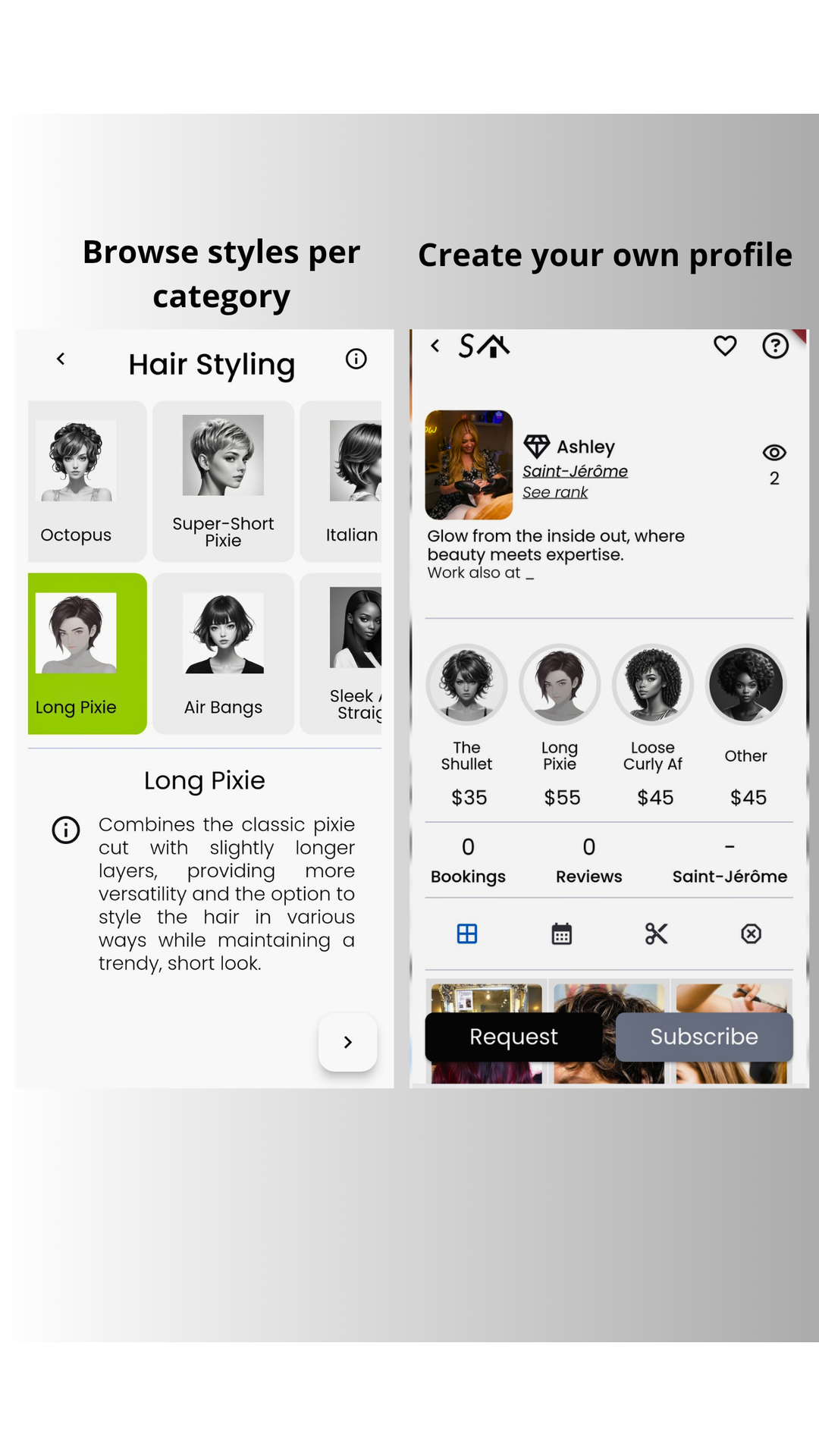
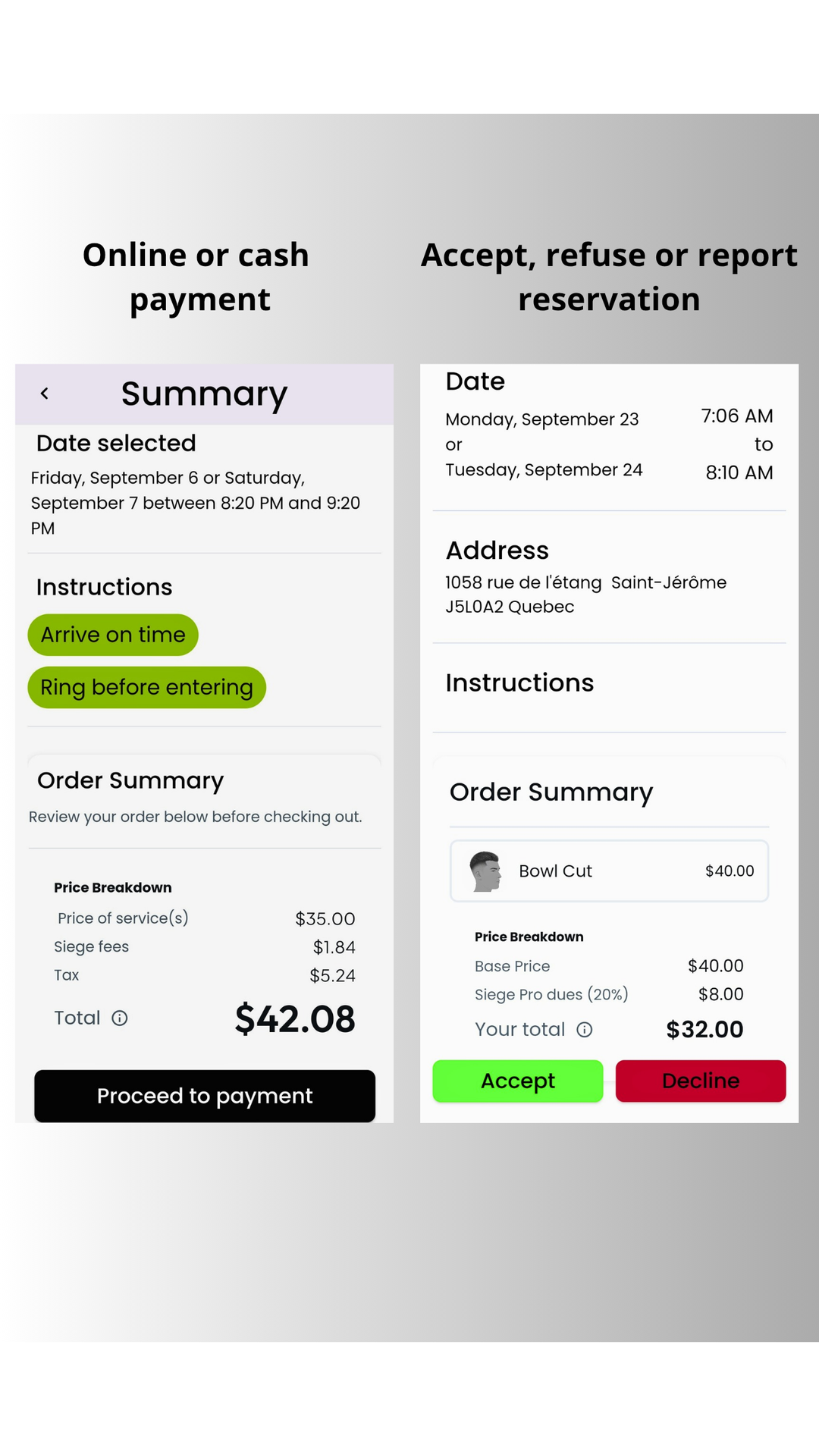
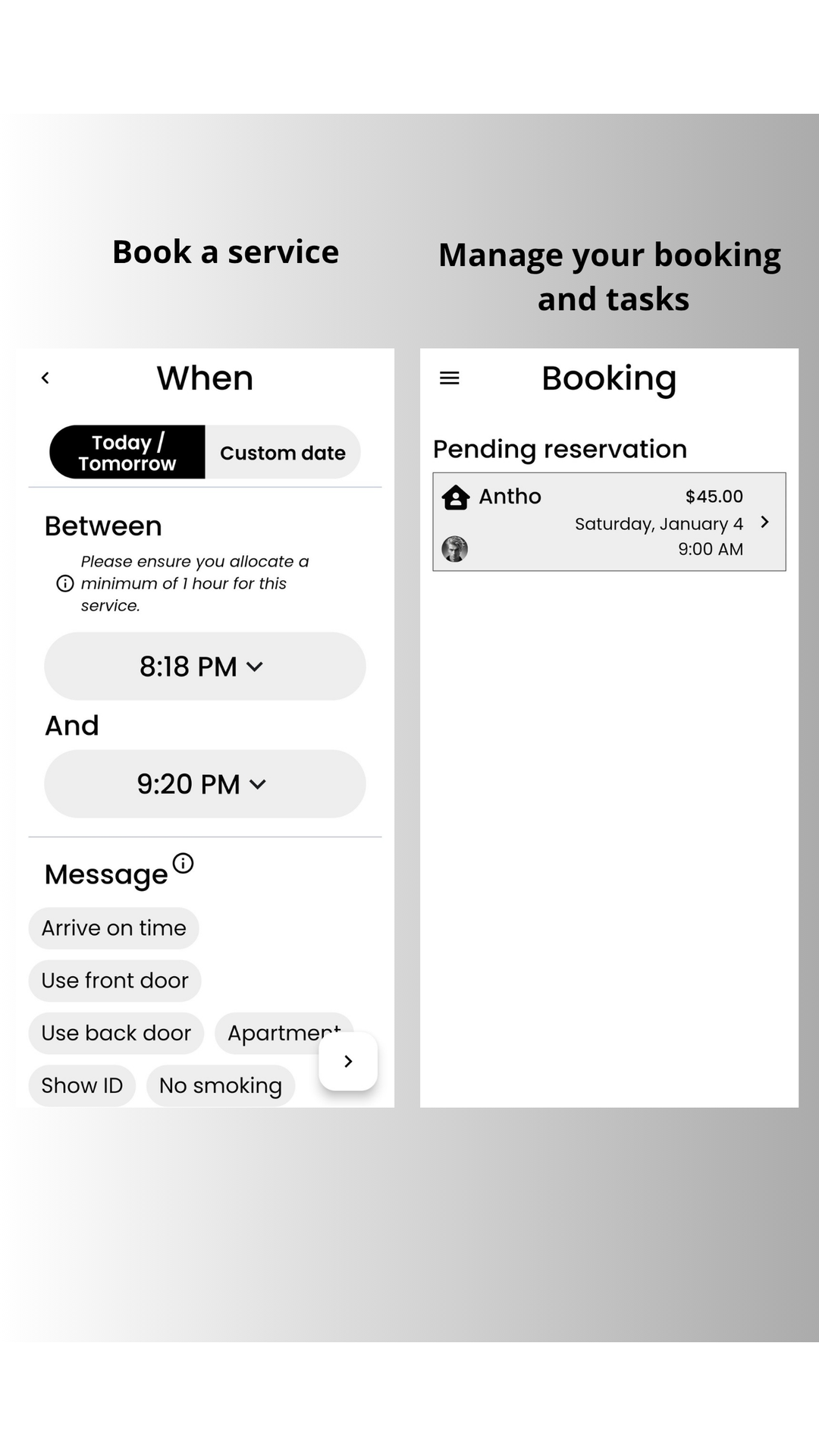
Myths vs reality
Salons are dying because people cut their own hair now.
No — demand for professional hair is as high as ever. What changed is where people want it: at home, on their schedule. The salon isn't losing to scissors, it's losing to convenience.
A fancy salon address still wins clients.
Clients follow the stylist, not the storefront. When a great stylist leaves, the clients leave too. The address was never the asset — the relationship was.
If salons are struggling, so is the whole industry.
The opposite. The work is booming; it's just moving out of the building. Independent and mobile pros are capturing the demand the salon can no longer profitably serve.
What smart stylists are doing instead
The stylists who see this coming aren't panicking — they're repositioning. Here's the move.
- 1
Stop paying rent on someone else's business
Chair rental and commission exist to cover the salon's overhead, not to grow yours. Going mobile removes that cost entirely — no lease, no monthly minimum.
- 2
Take your clients with you
The clients you built are yours. Moving to mobile lets you keep serving them directly, without the salon taking a cut of the relationship you created.
- 3
Meet clients where demand actually is — at home
The demand shifting away from salons is going to at-home service. Being the stylist who comes to them puts you on the winning side of that shift.
- 4
Get found without a storefront
Join Siege and let clients searching for a stylist in your area find and book you directly — the visibility a salon used to provide, without the overhead.
What going independent actually costs
Far less than a chair. Most stylists already own their core tools; a solid mobile kit runs about $150–$500: shears, clippers, a portable station, capes and sanitation. That one-time cost replaces years of rent handed to a dying salon.
Two stylists, same city, opposite trajectories
The salon stylist: pays rent whether the chair is full or not, works the hours the salon sets, and watches walk-in traffic thin out month after month while their cut of each service stays capped.
The Siege stylist: gets booked directly by clients nearby, travels to them, sets their own prices and keeps 80–100% of every appointment — riding the exact demand the salon is losing.
Same skill, same town. The difference is which side of the shift they chose to stand on.
Frequently asked questions
The traditional high-overhead salon model is shrinking fast — rising rent and capped stylist pay make it unsustainable for many. Demand for hair services isn't dying; it's moving to independent and at-home pros.
The bigger risk is staying in a model that takes around half your income for life. Going mobile costs little to start and lets you keep 80–100% of each booking.
Your clients book you, not the building. Most follow a stylist they trust — especially when the new option is more convenient and comes to their door.
Siege connects you with clients already searching for a stylist in your area, so you get found and booked without a storefront or chair rental.
The salon is shrinking. Your income doesn't have to.
Join Siege Pro, keep your clients and keep what you earn — on the growing side of the industry.