
Is becoming an independent nail technician worth it?
No sugar-coating. The real path, the real money, and what the salon never tells you about working as a nail technician.
50%
of your income a salon can take
90–100%
you keep with Siege
$150
to start independent
The reality nobody talks about
Everyone tells you becoming a nail technician is about passion and talent. True — but nobody warns you that the biggest decision isn't your skill, it's your business model. Most nail technicians spend years mastering manicures, pedicures, gel and acrylic sets, then hand half of every dollar to a salon.
Here's the uncomfortable truth: a traditional salon takes around 50% of what you earn, plus chair rental in many cases. You do the work, you bring the talent, and the building takes the cut. The clients you fought to win? They technically belong to the salon.
Going independent flips that. You keep your clients, your schedule and your money. Platforms like Siege let you work mobile — you travel to clients, set your own prices, and keep 90–100% of every booking instead of 50%.
What a mobile nail technician really does
A nail technician cares for hands and feet: manicures and pedicures, cuticle work, shaping, regular polish, gel polish, builder gel, acrylic and extensions, plus nail art from simple French tips to detailed designs. Many clients come back on a regular cycle for fills or removals. Precision matters, but so does nail health: spotting signs of infection or damage and knowing when a service should wait.
Nail techs usually train through a nail technology course at a beauty school, sometimes followed by product brand certifications for specific gel or acrylic systems. Some regions require a licence or registration to offer nail services, while others mainly regulate hygiene and sterilization. The rules depend on your country, province or state, so check them before you start, and learn proper disinfection of metal tools from the beginning.
Working in clients' homes means thinking about air and surfaces. Gel and acrylic products give off strong odours and fine dust, so set up near an open window or bring a portable nail dust collector, and protect the table with a towel or mat. A compact LED lamp, a steady workstation light and a foot basin for pedicures make the visit smoother. Allow time for proper drying before you leave.
The mobile nail technician's kit
- Compact LED or UV lamp for gel curing
- Portable nail dust collector or small extraction fan
- Electric file with bits, plus files and buffers
- Cuticle pushers and nippers in a sterilization pouch
- Gel, acrylic and polish selection in a padded case
- Table mat, towels, foot basin and a bright desk light
The first appointment is everything
Here's what nobody explains: the hardest part is landing the first appointment. After that, retention does the heavy lifting. Once a client sits in your chair — or better, welcomes you into their home — a personal relationship forms that a salon brand never builds.
Beauty is intimate and habitual. People don't want to re-explain their hair, skin or preferences to a stranger every few weeks. Once they trust a nail technician who already knows exactly what they like, they rebook the same person again and again — often for years.
That's the quiet superpower of going independent: your clients follow YOU, not a logo. With Siege, that first booking turns into a loyal, repeat relationship — and every rebooking is yours to keep, not the salon's.
How clients think in 2026 — and why it works in your favor
Today's clients value two things above almost everything: their time and their comfort. A trip to the salon is rarely just the service — it's the drive, the parking, the waiting room, the drive back. That can swallow half a day. So people put it off, often waiting until they look their worst before finally booking.
Life has become more personal and home-centered, and that's not a bad thing — it's an opportunity. People love handling things from the comfort of their own space, on their own schedule. When the experience comes to them, the friction disappears.
That's exactly why mobile, independent beauty wins. When booking takes seconds and the pro arrives at your door, looking and feeling great stops being a chore you delay. Clients who used to go every couple of months happily book twice a month or more — because it finally fits their life.
For you, that shift is pure upside: more frequent visits, more predictable income, and clients who genuinely look forward to seeing you. With Siege, you meet modern clients exactly where they already want to be — at home.
The truth about the money
Let's talk real numbers. A nail technician typically charges $40–$150 per service. In a salon taking 50%, half of that disappears before you get home. Use the calculator below to see exactly what the traditional model costs you.
Income calculator
How you get paid with Siege
$2,500
You keep 50% · salon takes 50%
$4,500
You keep 90% · Siege takes 10%
Extra in your pocket every year
+$24,000
Paid online (where Siege has a tax presence): keep 90% (Siege takes 10%, 5% for a salon with a team). Paid in person elsewhere: Siege asks for a 5% participation on your earnings, per group of 3 services, capped at US$25 a month (CA$35 in Canada). Each month, 2 services of your choice carry no participation. A salon keeps 50%. Tips are always 100% yours.
Salon vs Siege
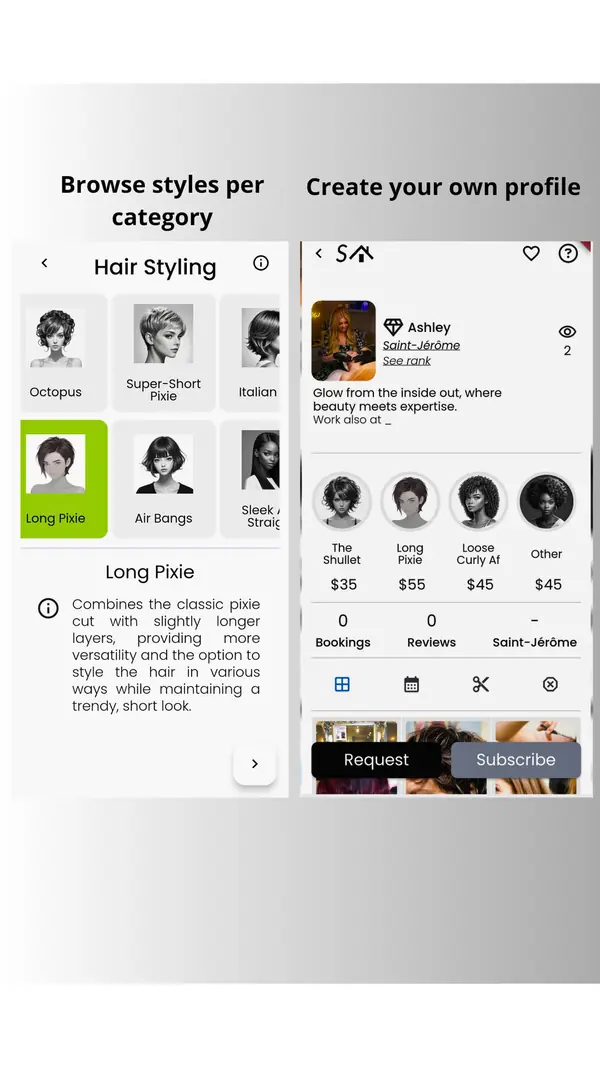
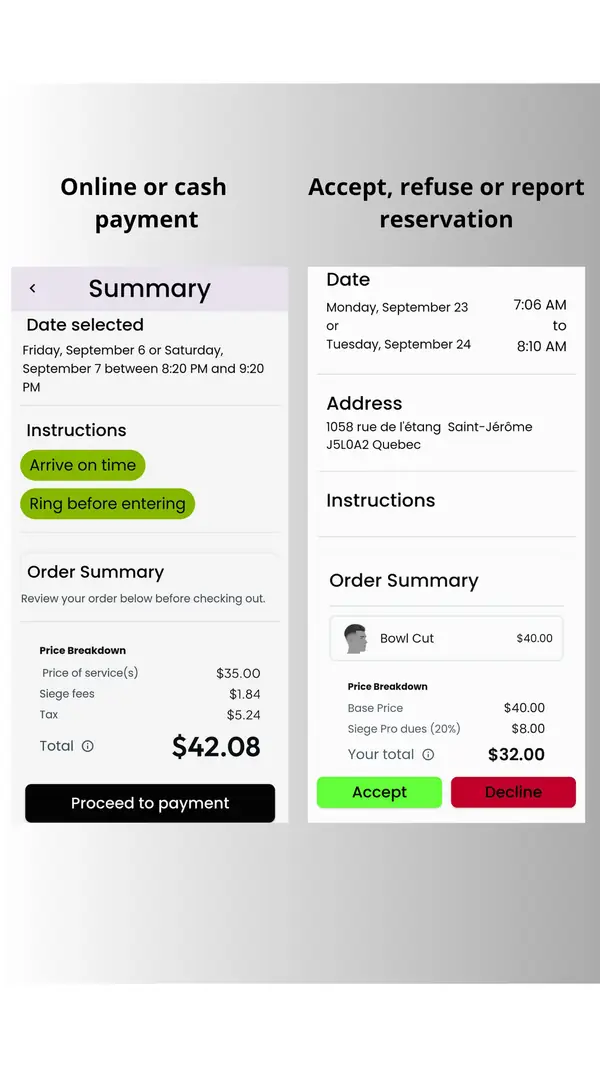
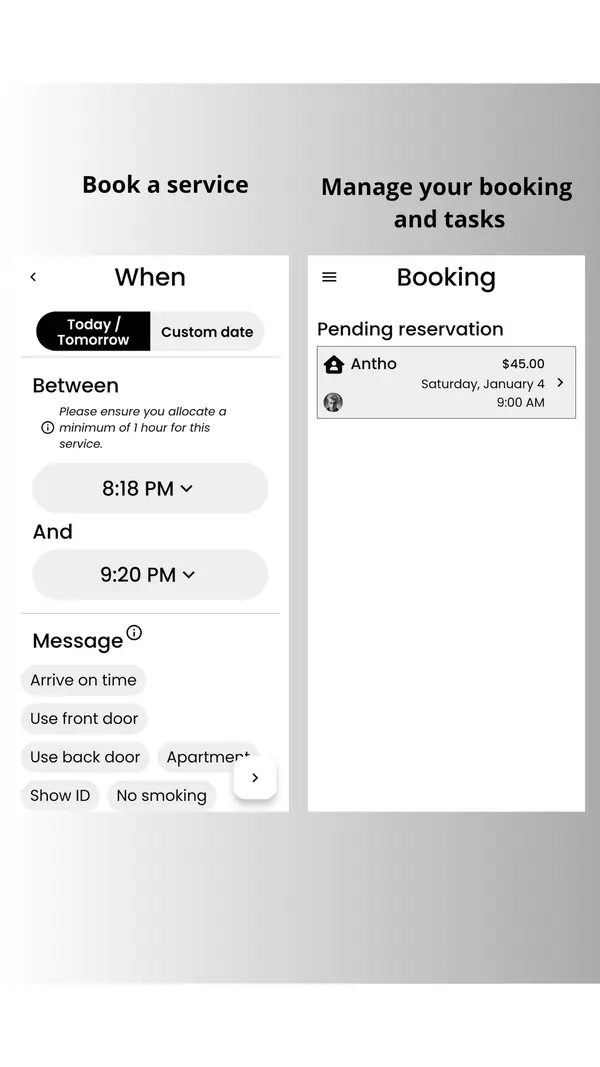
See Siege Pro in action
Set your services, get booked, and choose how you get paid — online or cash.
Myths vs reality
You need a salon to be taken seriously.
Clients book the person, not the building. A strong portfolio and reviews matter far more than an address. Mobile nail technicians often build more loyal clients because the service is personal.
Going independent is too risky.
The real risk is giving away 50% for life. Starting mobile needs only $150–$350 in equipment you likely already own — no lease, no staff, no monthly rent.
You'll never find enough clients alone.
That's exactly what platforms solve. Siege connects you with clients already searching for manicures, pedicures, gel and acrylic sets in your area, so you focus on the craft, not the marketing.
How to become a nail technician: step by step
The path is simpler than the industry makes it sound. Here's the honest version.
- 1
Get trained and certified
Complete the training or certification required in your region. Some places require a licence to offer manicures, pedicures, gel and acrylic sets; others don't. Check your local rules before you start.
- 2
Build your kit
Invest in your own professional equipment — roughly $150–$350 to start. Owning your tools is what makes you independent.
- 3
Define your services and prices
Decide which services you'll offer and set your rates ($40–$150 is typical). You're the boss now — price for your skill.
- 4
Get clients without a salon
Join Siege, create your profile, and start receiving booking requests from local clients. No chair rental, no commission to a salon — just you and your clients.
Equipment & startup budget
You don't need a storefront — you need a great mobile kit. Most nail technicians start with $150–$350 of equipment: professional tools, quality products, a sanitation setup, and a sturdy carrying case. That's your entire "rent" for going independent.
A day in the life of a Siege pro
Morning: you open the Siege app and see your booked appointments. No commute to a salon — your first client is a 20-minute drive away. You set today's hours yourself.
Afternoon: three appointments for manicures, pedicures, gel and acrylic sets, back to back, all booked through the app. Clients pay you directly (or online where Siege has a tax presence) and you keep up to 100% — tips included. No manager, no quota, no chair fee.
Evening: you close bookings whenever you want. You earned a full day's income on your terms, and every client you served today is yours to keep.
Frequently asked questions
It can be, with care. Work near an open window or use a portable dust collector, keep product containers closed when not in use, and avoid working right next to food or small children. Tell clients in advance so they can choose a good room.
Clean them first, then disinfect or sterilize them according to the method your local rules require, and store them in sealed pouches. Files and buffers that cannot be disinfected should be single-use or given to the client.
Yes. Bring a foot basin or a disposable liner, towels and a floor protector. The client can sit on a comfortable sofa or chair while you work on a low stool. Plan where you will empty and clean the basin.
It depends on your region's training requirements — typically a few months to a year of certification. Once trained, you can go independent immediately with Siege.
Services run $40–$150 each. In a salon you keep about 50%; independent with Siege you keep 90–100%, plus 100% of tips.
Yes. Independent professionals own their tools — budget roughly $150–$350 to start. Siege does not provide equipment.
Yes. There's no chair rental, no monthly fee and no hidden costs. You download Siege Pro, create your profile and start getting clients.
Ready to work as an independent nail technician?
Stop giving half your income away. Join Siege Pro and keep what you earn.